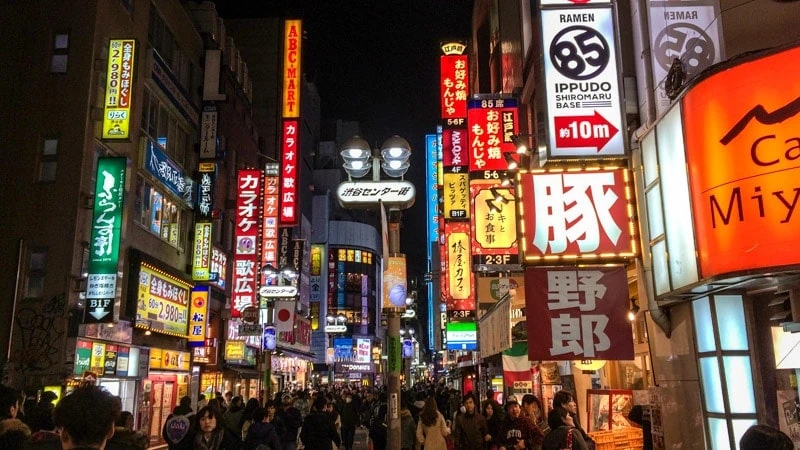
If you are planning a trip to Tokyo, eating ramen is probably at the top of your bucket list. But with thousands of ramen shops in the city, deciding where to go can be overwhelming.
For over 15 years, I have traveled all across Tokyo, hunting down the best bowls, from rich dipping noodles and spicy miso to savory duck ramen.
Here are my top recommended ramen shops in Tokyo based on my personal visits. Whether you are looking for a quick lunch near Tokyo Station or a spicy bowl in Shinjuku, these are the spots you shouldn’t miss.
Editor’s Note: I visit Tokyo often and am always searching for new spots. I will update this list after every trip as I discover new favorites.
1. Rokurinsha (Tokyo Ramen Street)

Located in “Tokyo Ramen Street” underneath Tokyo Station, Rokurinsha is the most popular shop in the corridor. Every shop here has a wait, but Rokurinsha is different. The line gets so long it loops around the corner and stretches down the hallway.
They are famous for tsukemen, where the cold, thick, chewy noodles are served separately from the hot, thick dipping soup. To eat, just dip the noodles into the broth and slurp.
- What to order: Dip Noodles with Soft-Boiled Egg.
- Wait time: Expect to wait 30 to 60 minutes, but the line moves fast.
- Note: They do not accept credit cards. Bring cash or a Suica/Pasmo IC card.
Read the full review: Rokurinsha: The Best Tsukemen in Tokyo Station
2. Menya Musashi (Shinjuku)
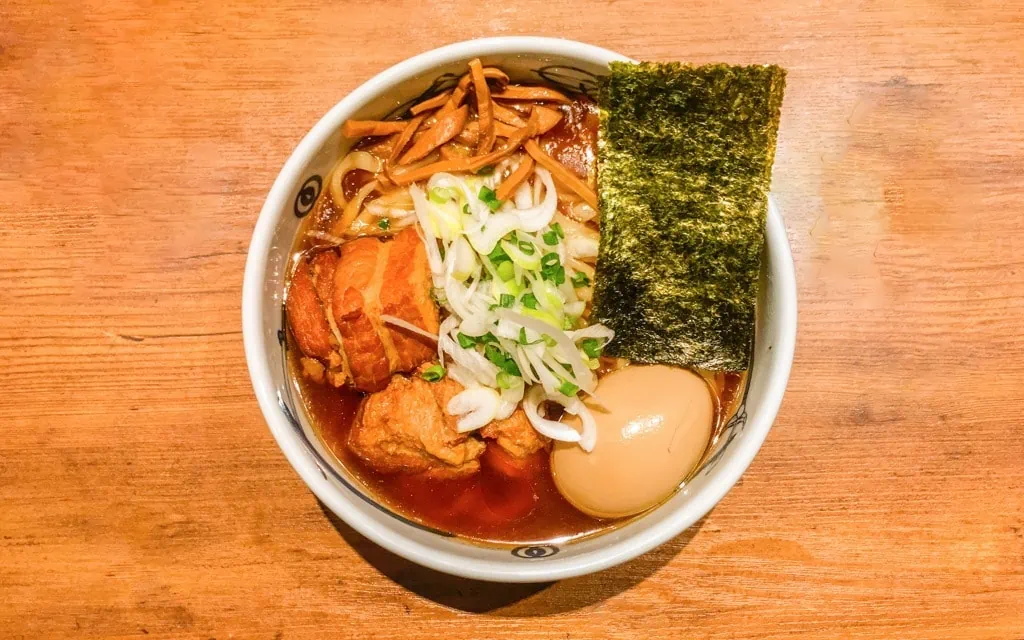
Menya Musashi is a ramen institution in Shinjuku. While they have multiple shops, the samurai-themed flagship (Honten) is the one to visit. They are famous for a “double soup,” a blend of pork and seafood broth that is rich yet surprisingly light.
However, the real star here is the braised pork belly (kakuni). Unlike the thin slices you get at most shops, Menya Musashi serves thick, tender blocks of meat that melt in your mouth.
- What to order: The Musashi Style Ramen (features the signature thick pork).
- Vibe: A unique mix of samurai decor and smooth jazz music, with an energetic open kitchen.
- Note: Ordering is easy via a touchscreen machine with English, but it is cash only.
Read the full review: Menya Musashi Shinjuku: The Best Pork Belly Ramen
3. Fuunji (Shinjuku)
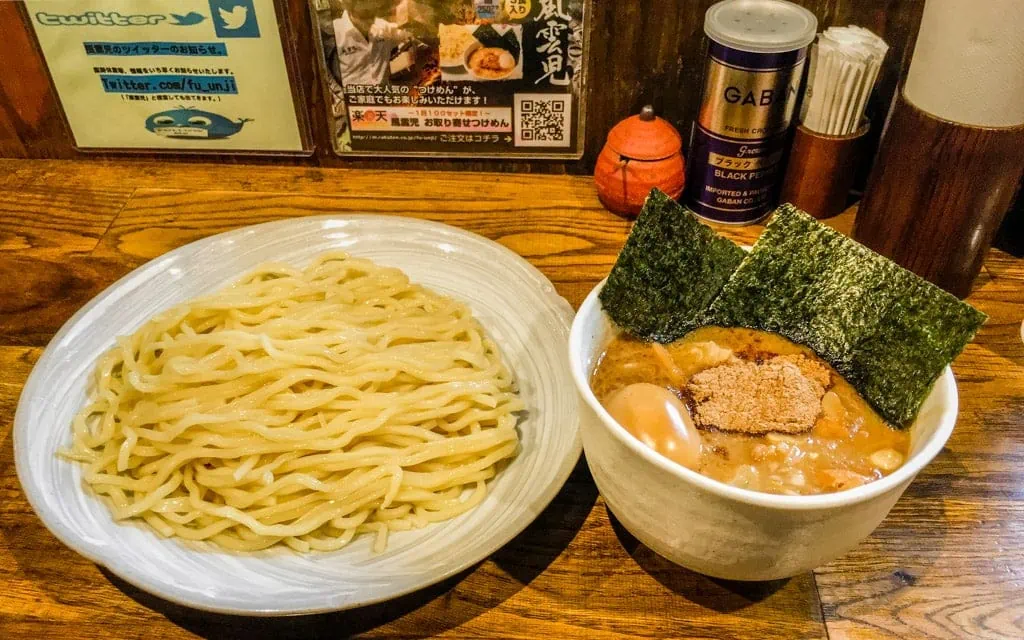
Located in Shinjuku, Fuunji is legendary. It is consistently ranked as one of the best tsukemen shops in the city, and for good reason.
Be prepared for a line that often stretches out the door and continues inside. You actually wait standing directly behind the people eating at the counter. It sounds awkward, but the line moves surprisingly fast because the kitchen runs with precision.
The dipping broth is rich, creamy, and made from chicken and fish. It is topped with a scoop of dashi powder that adds an intense punch of savory flavor when you mix it in.
- What to order: Deluxe Tsukemen (Special Dipping Noodle).
- Insider Tip: You can choose a Medium or Large portion of noodles for the same price.
- Note: Cash only. There are kettles on the counter for “soup wari” (soup dilution) at the end.
Read the full review: Fuunji: The Best Tsukemen in Shinjuku
4. Nakiryu (Otsuka)
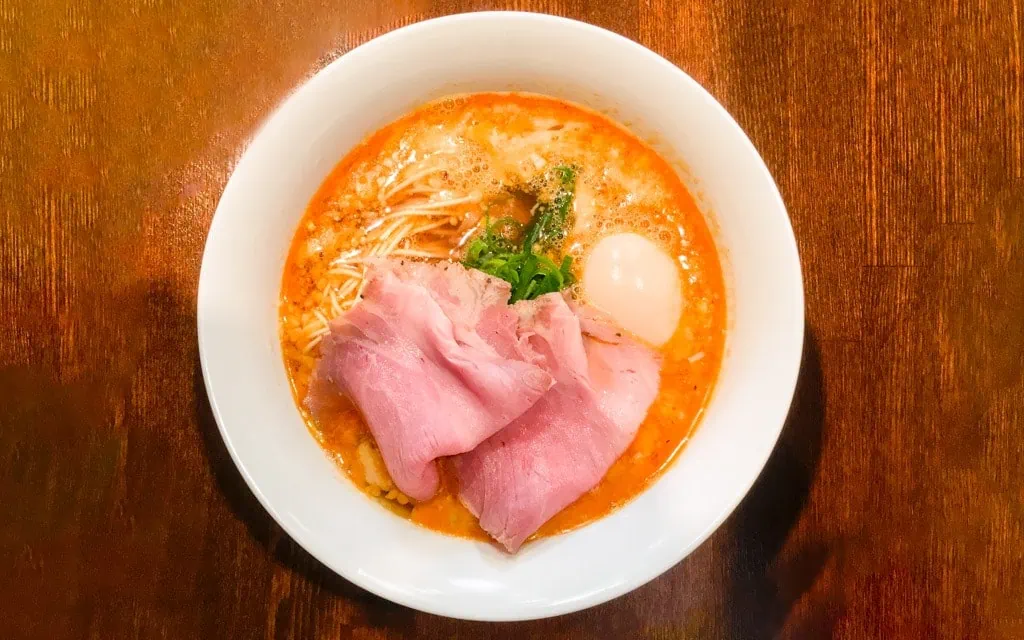
Nakiryu held a Michelin Star for seven consecutive years, which is incredibly rare for a ramen shop. While they are no longer in the current guide, the quality has not dropped. It is still one of the best values in Tokyo. You get a Michelin-quality bowl for under $10.
They specialize in tantanmen, a Japanese take on Sichuan Dan Dan noodles. The broth is a complex mix of sesame paste, red chili oil, and nuts. It is spicy, nutty, and creamy all at once. The noodles are thin and handmade, offering a perfect snap.
- What to order: Tantanmen.
- Note: The ticket machine is in Japanese, but the staff will provide an English menu with matching numbers.
- Rules: Cash only. One bowl per person, so order the large portion if you are hungry.
Read the full review: Nakiryu: Michelin Star Ramen for Under $10
5. Karashibi Miso Ramen Kikanbo (Kanda)
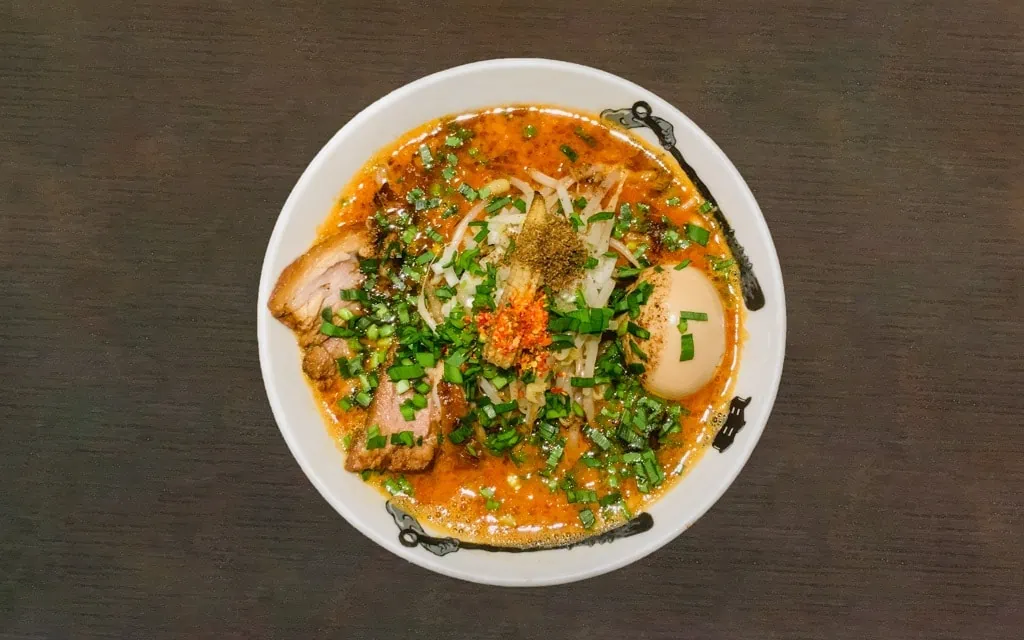
Do you like heat? Karashibi Miso Ramen Kikanbo in Kanda is not just a meal but a culinary experience. The moment you step inside, you feel like you have been transported to another world. The interior is dark and eerie, designed to look like a dungeon filled with oni (demon) masks and taiko drums.
“Karashibi” refers to the two types of spice they use: Kara (chili pepper heat) and Shibi (Sichuan peppercorn numbing sensation). The broth is thick, oily, and looks like fiery lava. While the heat is intense, the real star is the pork belly. It is huge, tender, and melts in your mouth.
- What to order: Premium Ramen (this is the “Special” bowl with extra pork and egg).
- Spice Level: If you love heat, go for “High” or “Oni” chili. But be careful with the numbing spice. Anything above “High” and you might have trouble speaking.
Read the full review: Karashibi Miso Ramen Kikanbo: Spicy Demon Ramen in Tokyo
6. Kamo to Negi (Ueno)
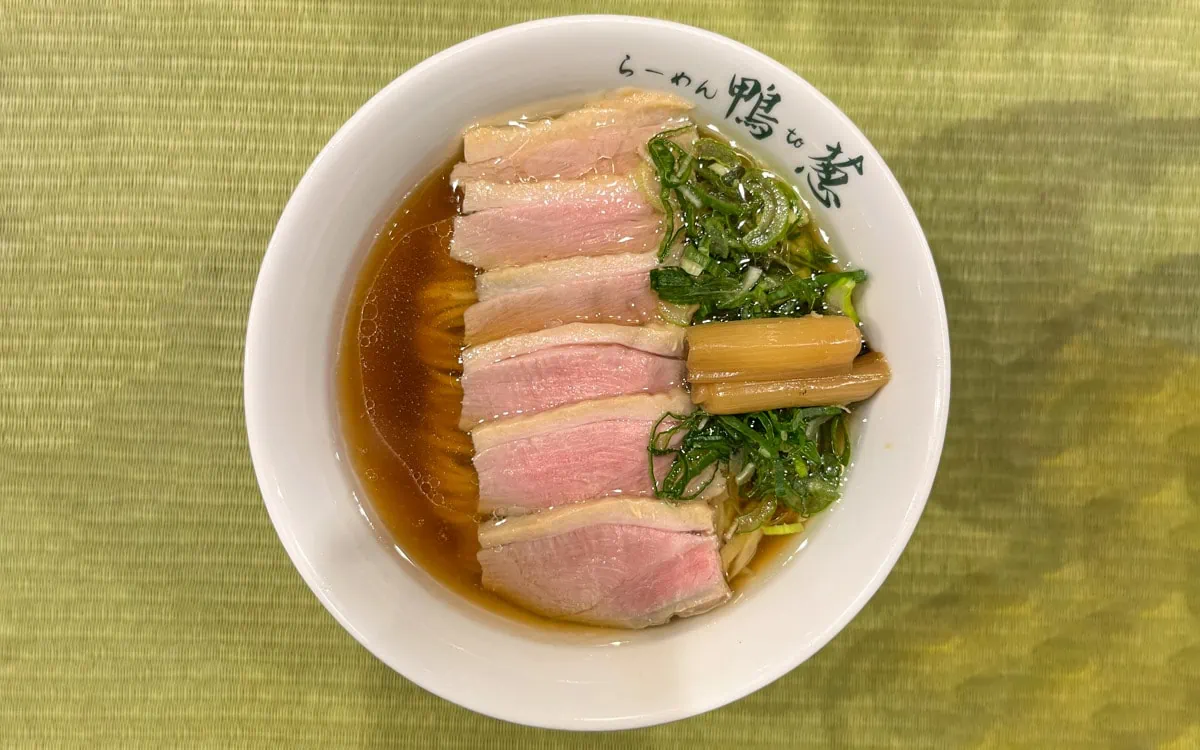
If you want a break from heavy pork broths, head to Ueno for Kamo to Negi. As the name suggests (Duck and Green Onion), this shop specializes in an almost clear broth made from duck. The soup here is clean, rich, and savory.
The interior is simple but bright, with a modern wooden design. The duck slices are tender, and you even get to customize your bowl by choosing your preferred types of negi (green onions).
- What to order: Duck Confit Ramen.
- Pro Tip: Buy your food ticket before getting in line. When staff collect your ticket, they will ask you to choose 2 onion toppings (usually Leek, Green, or White).
Read the full review: Kamo to Negi: Exquisite Duck Ramen in Ueno
7. Ippudo (Ginza / Roppongi)
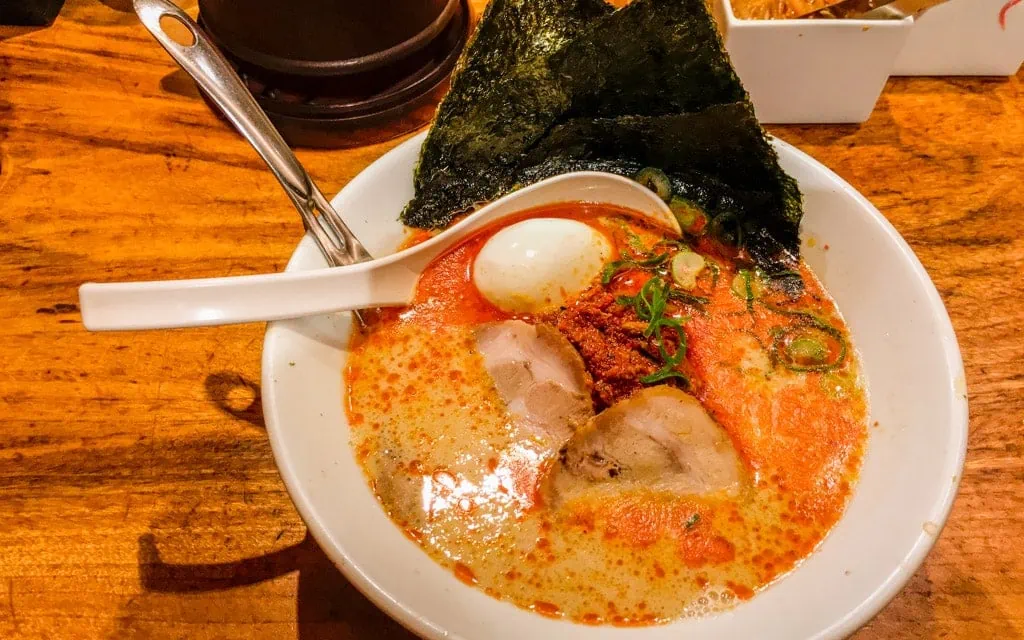
While Ippudo is a global chain, the Ginza location is one of the more popular. Unlike the cramped counters at most shops, this spot is modern and spacious, featuring unique wall art made of ramen spoons. It is a comfortable place to sit down and relax.
Ippudo is famous for its tonkotsu broth. While they offer spicy variations (karaka), I learned the hard way that the heat can overpower the the delicate pork flavors of the soup. My advice? Stick to the classics here.
Ippudo is reliable, foreigner-friendly, and they have English menus, making it an easy entry point into real ramen culture.
- What to order: Shiromaru Classic (White) or Akamaru Modern (Red). Skip the spicy versions.
- Best for: Families or groups who want a table and English menus.
Read the full review: Ippudo Ginza: A Modern Take on Classic Ramen
8. Ichiran (Shinjuku / Shibuya)
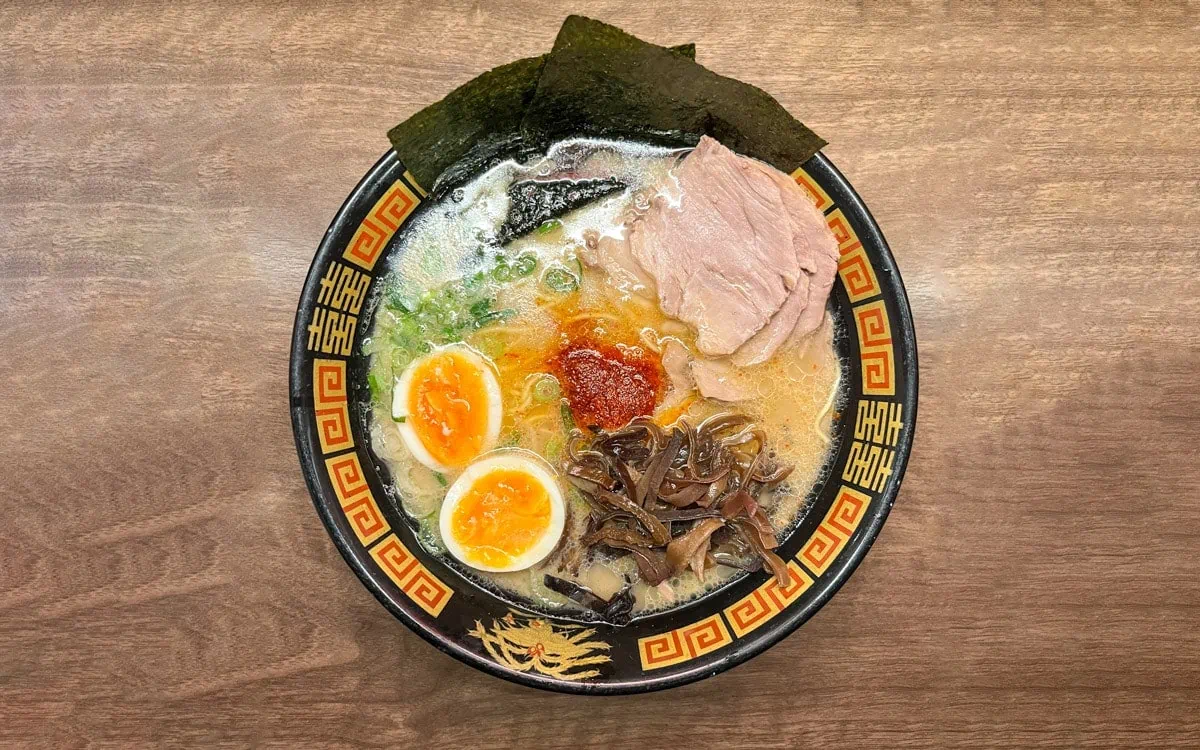
It is famous for a reason. Ichiran is the perfect entry point for ramen beginners or solo travelers. You sit in a private booth, partitioned off from the person next to you, fill out a paper form to customize your broth, and get served without ever seeing a waiter’s face.
While some might say it is “just a chain,” the consistency is undeniable. The tonkotsu broth is rich, creamy, and topped with their signature spicy red sauce. Best of all? This location is open 24 hours a day and accepts credit cards.
- What to order: The “Ichiran 5” Set (Includes extra pork, seaweed, and a soft-boiled egg).
- Pro Tip: The soft-boiled egg is served on the side in its shell. You will have to peel it yourself.
Read the full review: Ichiran: The World’s Most Famous Tonkotsu Ramen
Have you tried any of these shops? Let me know in the comments below.
Last Updated on February 1, 2026