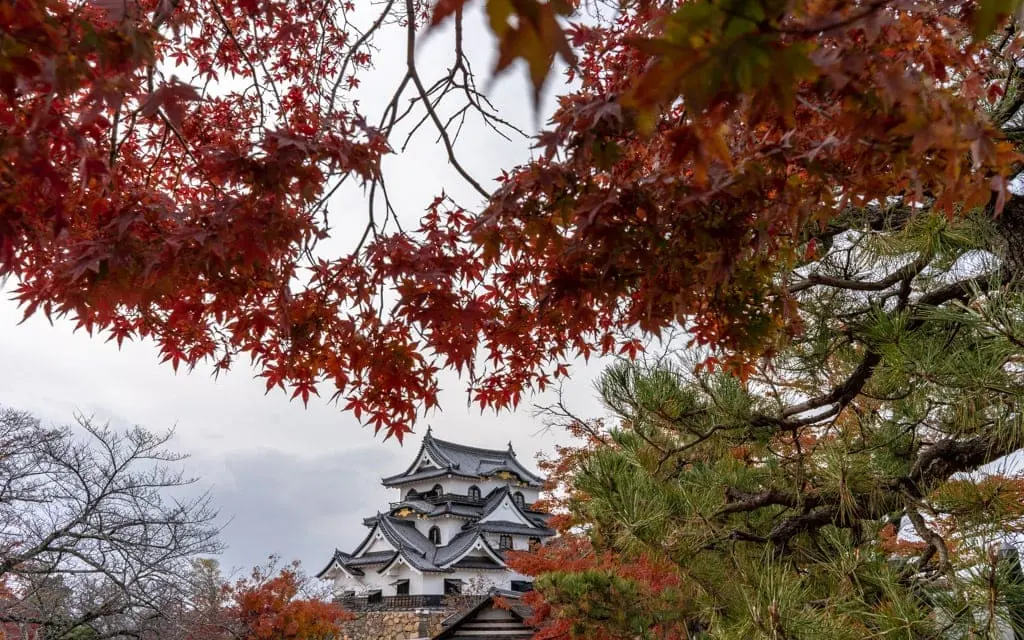
When you are trying to plan a day trip from Kyoto or Osaka, at the top of your list might be Himeji. Himeji is a wonderful town with an amazing castle. However, there is another great city near Kyoto with a small yet equally impressive castle.
That city is Hikone. Located about 25 miles northeast of Kyoto on the eastern shore of Lake Biwa, the city is quite compact and packed with great sights. This makes it the perfect day trip from Kyoto, Osaka, or even Kanazawa.
The main reason for visiting is Hikone Castle. The castle is not only a National Treasure but one of Japan’s original twelve castles. For 400 years, the castle has avoided destruction by war, fire, or earthquakes.
Genkyuen Garden, Yume-Kyobashi Castle Road, Shiga Gokoku Shrine (Gokoku-jinja Shrine), and the Ii Naomasa Statue are other sights worth visiting on your trip.
How to get to Hikone
From Kyoto
The most efficient way to reach Hikone is via the JR Special Rapid Service (Shin-Kaisoku). It is direct, fast, and fully covered by the Japan Rail Pass.
Travel Tip: If you are hungry before leaving Kyoto Station, check out Katsukura for tonkatsu or Sushi no Musashi for conveyor belt sushi. Both are located inside the station complex.
| Route | Train Type | Time | Cost (2026) |
|---|---|---|---|
| Kyoto Stn → Hikone Stn | JR Special Rapid | 50 mins | ¥1,170 |
| Kyoto Stn → Maibara → Hikone | Shinkansen + Local | 30 mins | ¥2,350 |
Option 1: JR Special Rapid Service (Best Value)
Take the JR Biwako Line Special Rapid (departing every 15 minutes from Platforms 2 or 3 at Kyoto Station). It is a direct train with no transfers.
Option 2: Tokaido Shinkansen
If you hold a JR Pass and want to save 20 minutes, take the Hikari or Kodama Shinkansen to Maibara Station. Transfer to the JR Biwako line (local train) for one stop (5 minutes) to reach Hikone.
From Osaka
From Osaka Station: Take the JR Special Rapid Service (bound for Nagahama or Maibara). The journey takes approximately 80 minutes and costs ¥1,980. No transfer is required.
From Shin-Osaka Station: You can take the Shinkansen to Maibara (35 minutes) and then transfer to the local line for Hikone. Total cost: approx. ¥4,600 (or Free with JR Pass).
From Kanazawa
Note: Routes have changed following the Hokuriku Shinkansen extension to Tsuruga.
Take the Hokuriku Shinkansen from Kanazawa to Tsuruga Station. Transfer to the Limited Express Shirasagi or the JR Special Rapid to Maibara/Hikone. Total time is approximately 2 hours.
How to get around Hikone
Hikone is a compact city and is perfect for exploring on foot. Almost all sights of importance can be found within a 30-minute walk of the station.
City buses depart near the west exit of the station. I do not recommend using these buses as they are difficult to understand for non-locals.
If you need a taxi, you can find them outside the west exit of the station near the bus stop.
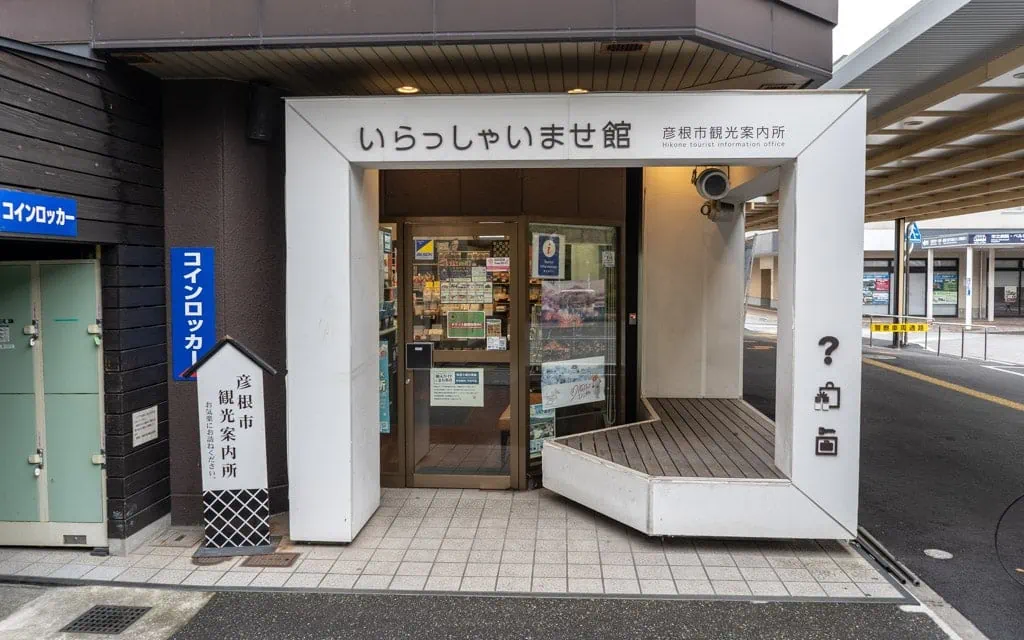
Those who need help planning their trip will find the Hikone Tourist Information Office at the bottom of the escalator outside the west exit of the station.
In addition, you will find information about tourist sights, maps, restaurants, and public transportation.
What to do in Hikone for one day
Hikone Castle
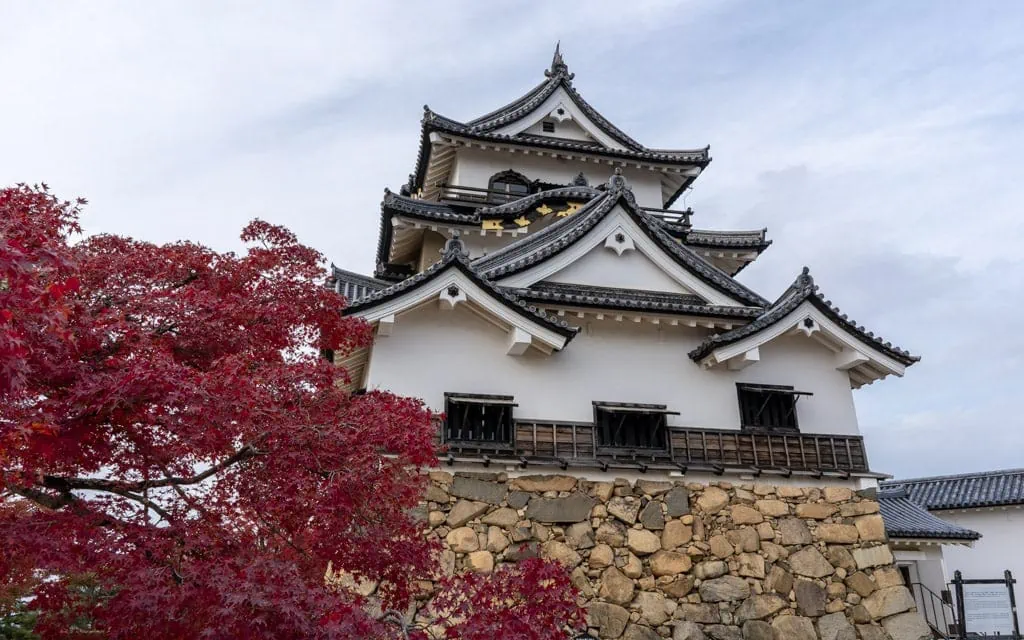
No visit to Hikone is complete without a visit to Hikone Castle. The castle lies on the shores of Lake Biwa and was strategically located at the crossroads of Nakasendo (Road to Central Japan) and Hokkoku Kaido (Road to Northern Japan).
Construction on the castle began around 1604 and took about 20 years to complete. Ii Naokatsu, a Japanese feudal lord (daimyō), was responsible for the construction of the castle. Once complete, the castle served as the seat of the Ii clan during the Edo period until 1868.
Hikone Castle is one of Japan’s twelve remaining original castles. For centuries, much of the castle has remained unscathed even with the constant threat of war, earthquakes, floods, and fires. This includes the main keep, moats, walls, gates, and guard houses. The main keep has been designated a National Treasure while other sections of the castle have been designated Important National Cultural Assets.
In the spring, Hikone Castle becomes a popular spot to view the cherry blossoms. In the fall, many of the trees turn into a vibrant red.
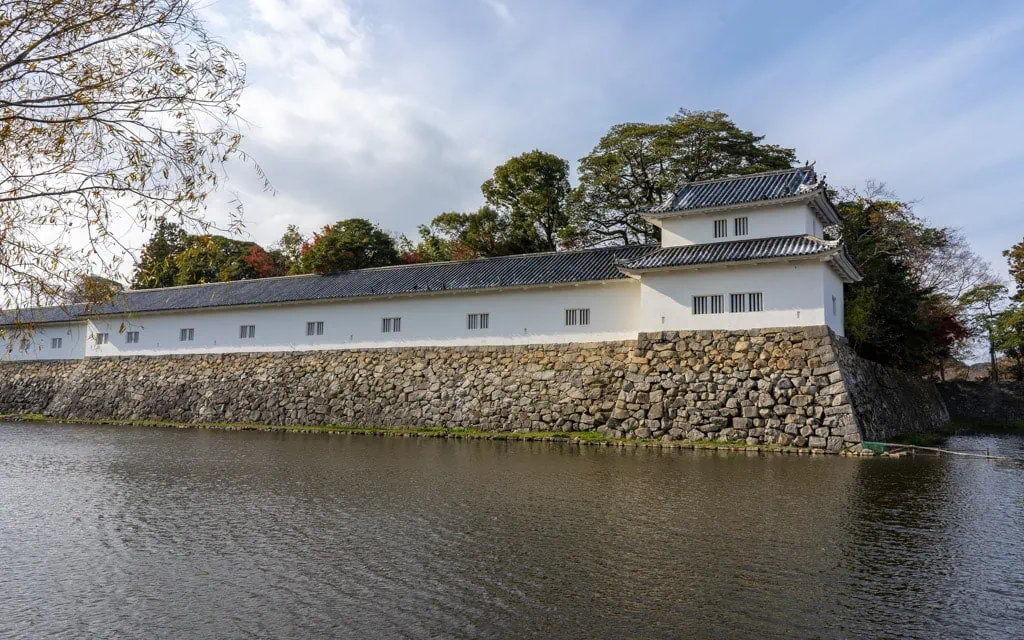
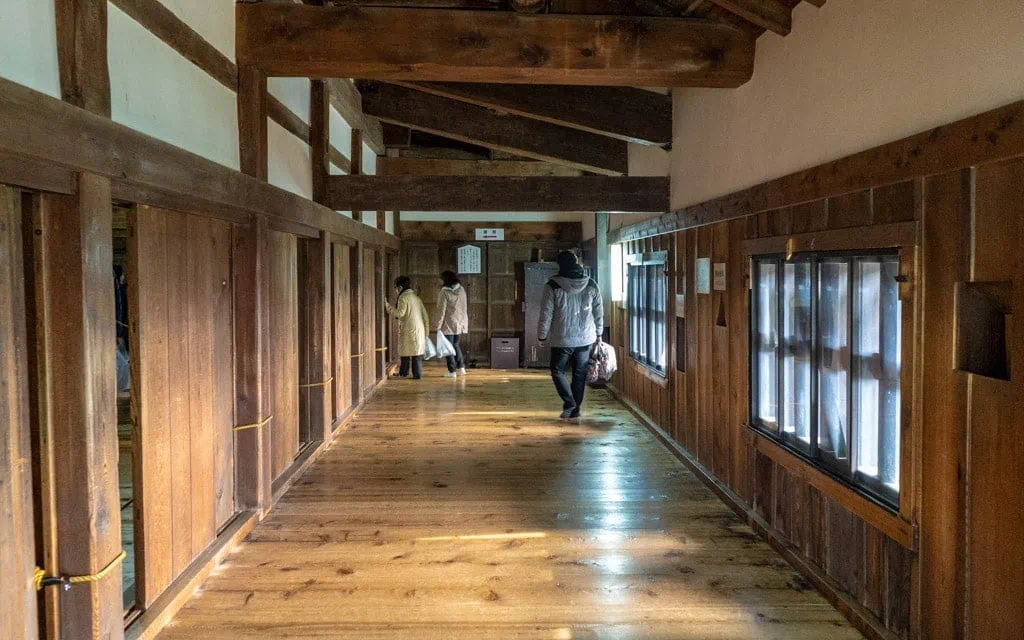
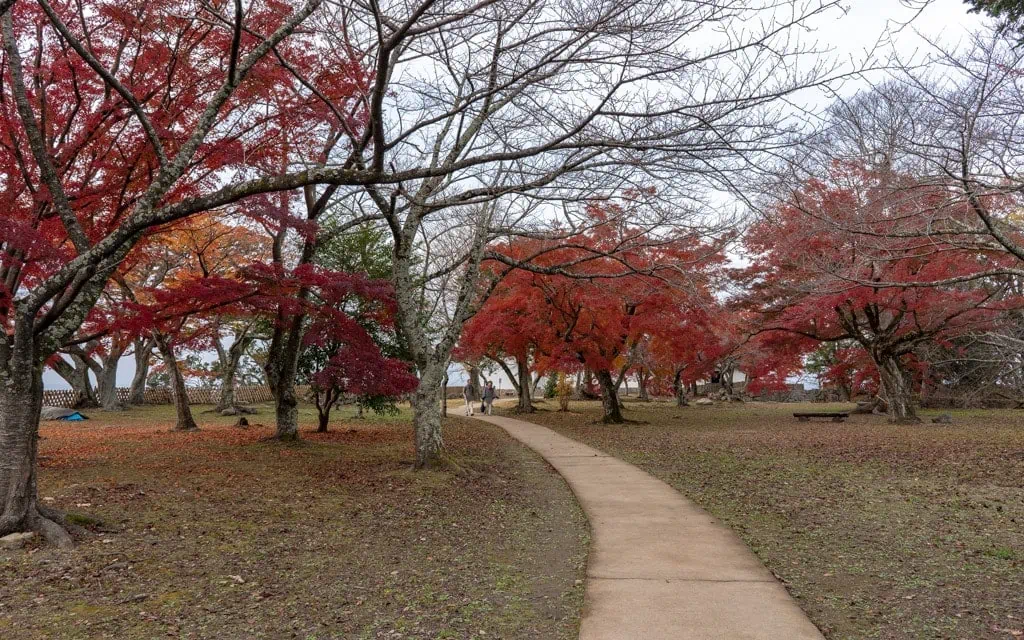
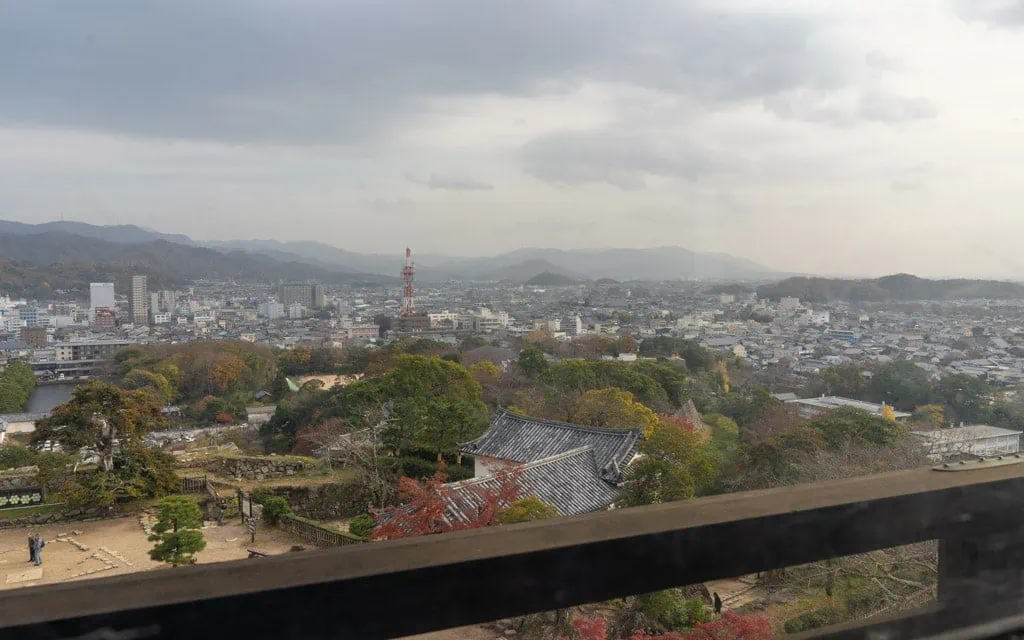
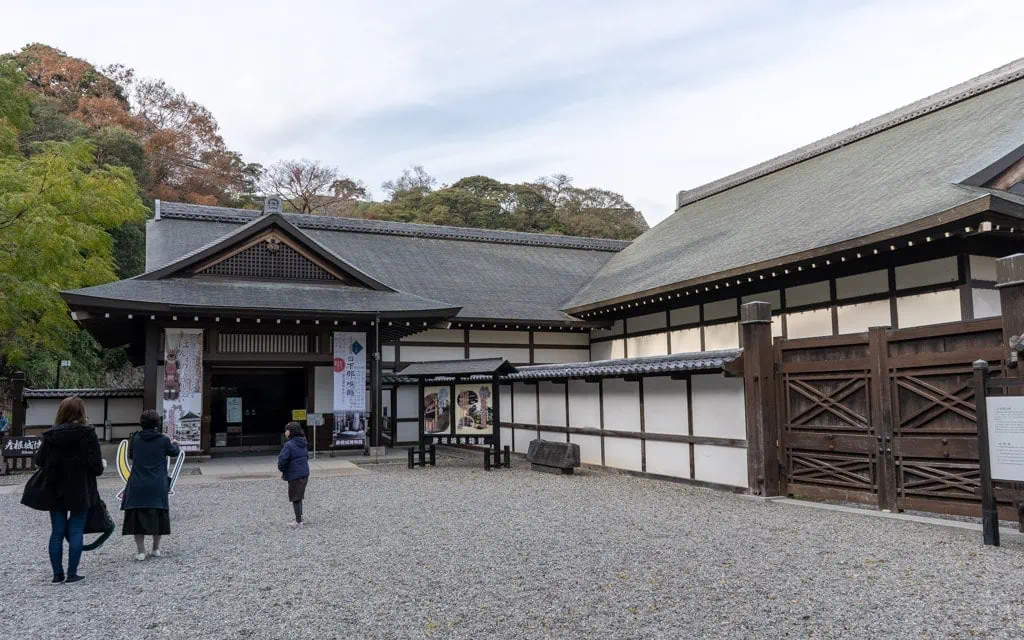
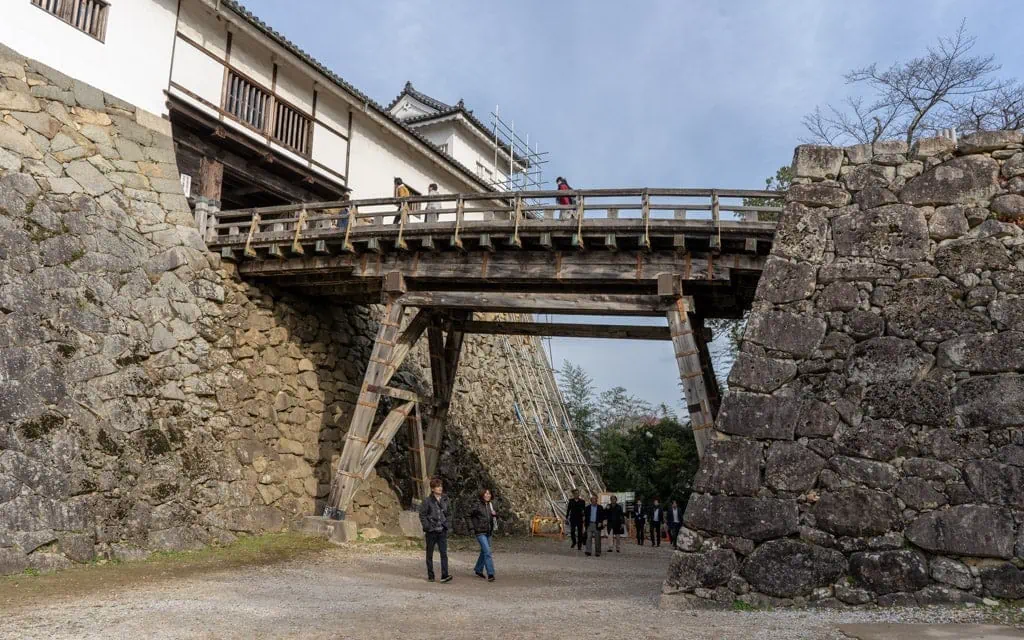
Though the three-story castle keep is relatively small, its architecture makes it one of the most beautiful in Japan. The roof is designed with a combination of gables with no bottom edges (kirizumahafu), gables that are part of the roof (irimoyahafu), and curved gables with no bottom edges (karahafu). Bell-shaped windows (katomado) can be found on the second and third floors. Also, verandas can be found on the corners of the third floor.
In addition, visitors can enter and explore the beautiful interior of the castle keep. Though the stairs leading up to the third floor are steep, the effort is well worth it. The views of the city and castle grounds below are stunning.
The stairs inside the Main Keep are original wooden structures. They are extremely steep (62-degree angle) and slippery.
- I highly recommend leaving large backpacks in the coin lockers at Hikone Station.
- Women should avoid wearing short skirts or heels.
- If you have knee issues, you may want to skip the climb to the top floor.
What not to miss: interior of the castle keep, views from the third floor of the keep, views of the city, moat, and walls.
Hours
Hikone Castle
Open daily 8:30 AM to 5:00 PM (Last entry 4:30 PM)
Hikone Castle Museum
Open daily 8:30 AM to 5:00 PM (Last entry 4:30 PM)
Closed: December 25 to 31
Entrance Fees (2026)
Castle + Garden (Standard Ticket): Adult ¥1,000 / Child ¥300
Castle + Garden + Museum (Best Value): Adult ¥1,500 / Child ¥550
Garden Only: Adult ¥400
How to get to Hikone Castle from Hikone Station
The castle is located about one kilometer from Hikone Station. From the station, take the west exit. Continue down Ekimae Oshiro Street for 600 meters. At the T-intersection, make a left and your first right. Follow the road another 300 meters. After passing the castle walls, follow the moat to the left to reach the entrance to the castle.
Meet Hikonyan: The Famous Samurai Cat
No trip to Hikone is complete without seeing Hikonyan, the city’s famous mascot. He appears daily at the castle and is a superstar in Japan (credited with starting the “Yuru-chara” mascot boom).
Daily Schedule:
- 10:30 AM: In front of the Main Keep (Castle Tower)
- 1:30 PM: In front of the Hikone Castle Museum
- 3:00 PM: In front of the Hikone Castle Museum
*Appearances last 30 minutes. Schedule subject to weather conditions.
Genkyuen Garden
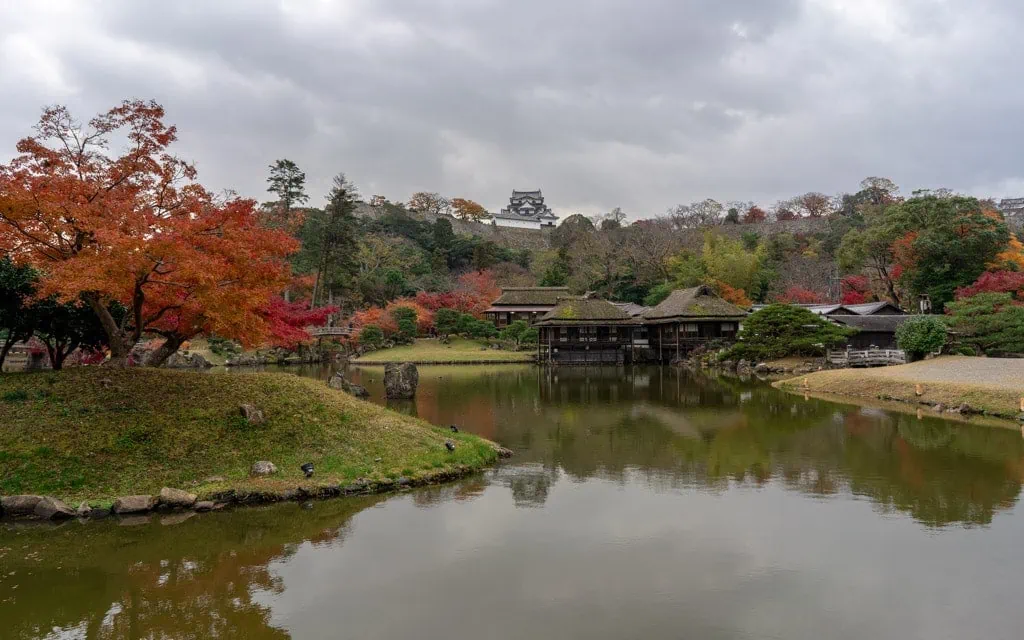
Genkyuen Garden, located just northeast of the castle, is a feudal lord (daimyō) landscape garden. It is thought that the name of the garden originates from a garden that belonged to the Court of China known as Genkyu.
Construction of Genkyuen Garden began in 1677 by feudal lord Ii Naooki. Construction took seven years. Naooki built this garden for his family, friends, and guests.
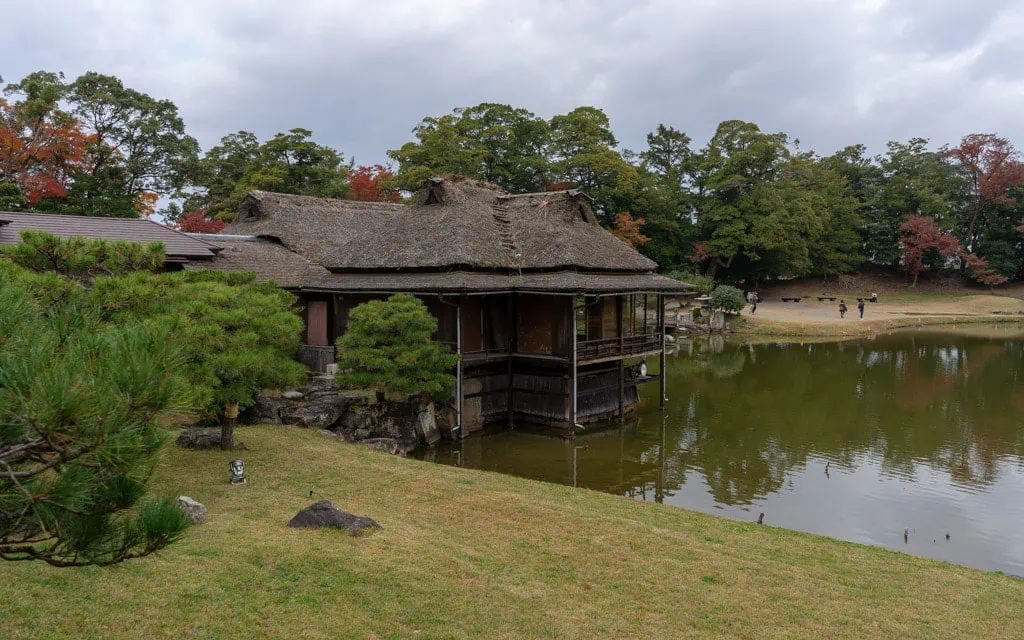
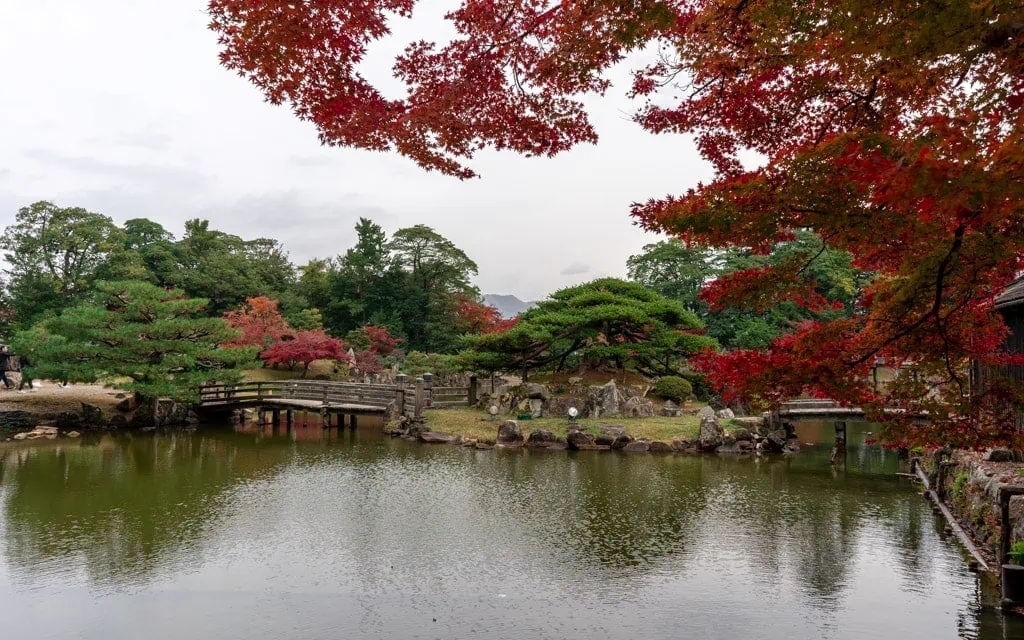
While the garden may be small, the views do not disappoint. A large central pond dominates the garden. A circular trail linked by bridges surrounds the pond. Overlooking the garden is the castle’s main keep.
Wooden buildings used for tea ceremonies can be found lining the pond. These buildings, known as hakkei-tei or rinchikaku, can be found on spots considered to have the best view of the garden. Held inside these buildings were tea ceremonies (sukiya-bozu) for the lord’s guests and officials. Today, visitors can enjoy a cup of tea (¥500).
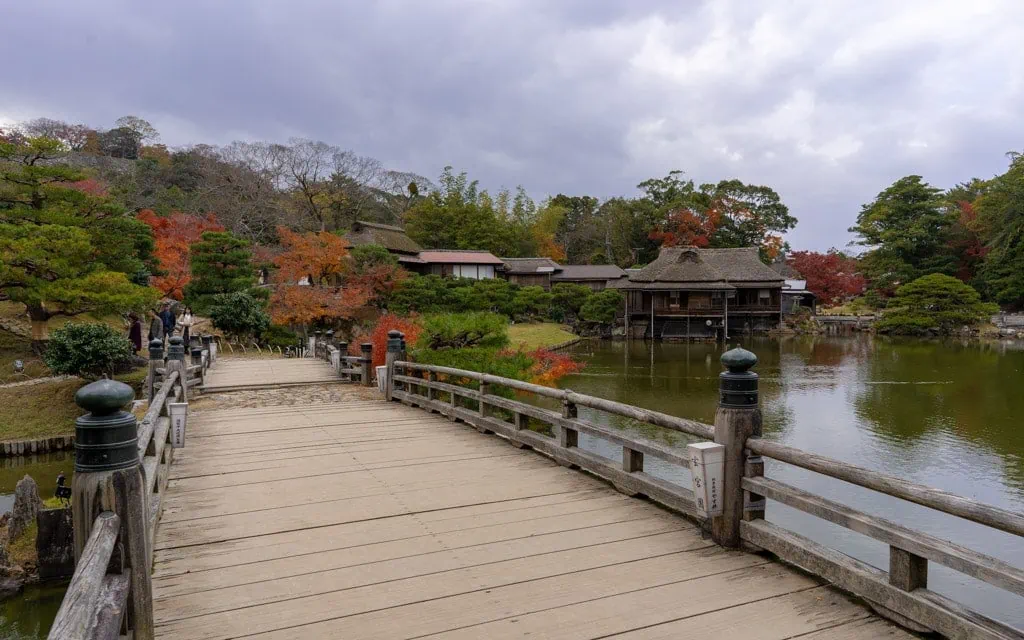
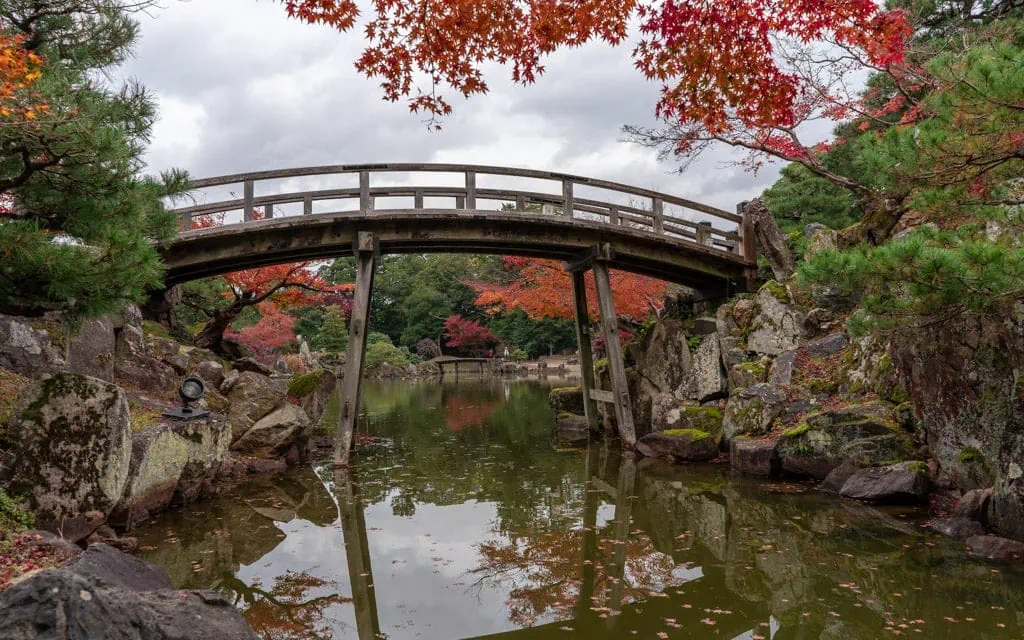
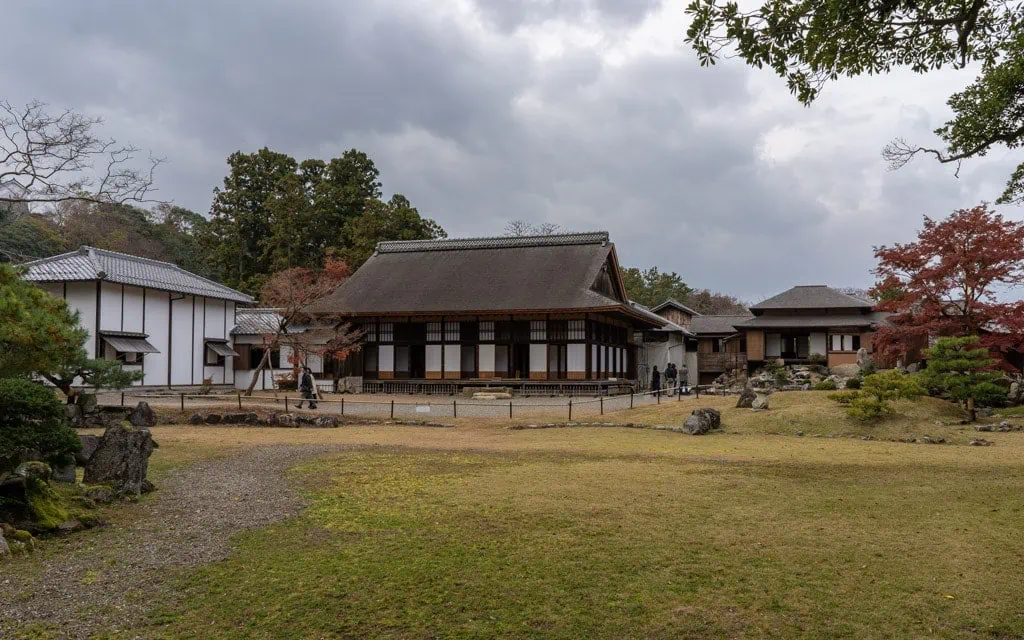
Located next to the garden is Rakurakuen (Keyaki-Goten). This palace was used by the lord’s family as their private residence. The residence was built between 1677 and 1679 by Ii Naooki, the 12th lord. At the time, the residence was known as Keyaki-Goten.
In the early 1800s, an annex known as Rakurakuen was built by Ii Naoaki. Ever since, the residence has been known as Rakurakuen.
Renovations on Rakurakuen were completed in 2025, restoring the palace to its former glory.
What not to miss: Rakurakuen (Keyaki-Goten), views of the castle keep over the garden, views of the pond and bridges.
Hours
Open daily from 8:30 AM to 5:00 PM
Entrance Fees
Included with Castle Ticket (See above).
Garden Only: ¥400
How to get to Genkyuen Garden from Hikone Station
Genkyuen Garden is located about one kilometer from Hikone Station. From the station, take the west exit. Continue down Ekimae Oshiro Street for 600 meters. At the T-intersection, make a left and your first right. Follow the road another 300 meters. After passing the castle walls, follow the moat to the right to reach the entrance to the garden.
Yume-Kyobashi Castle Road
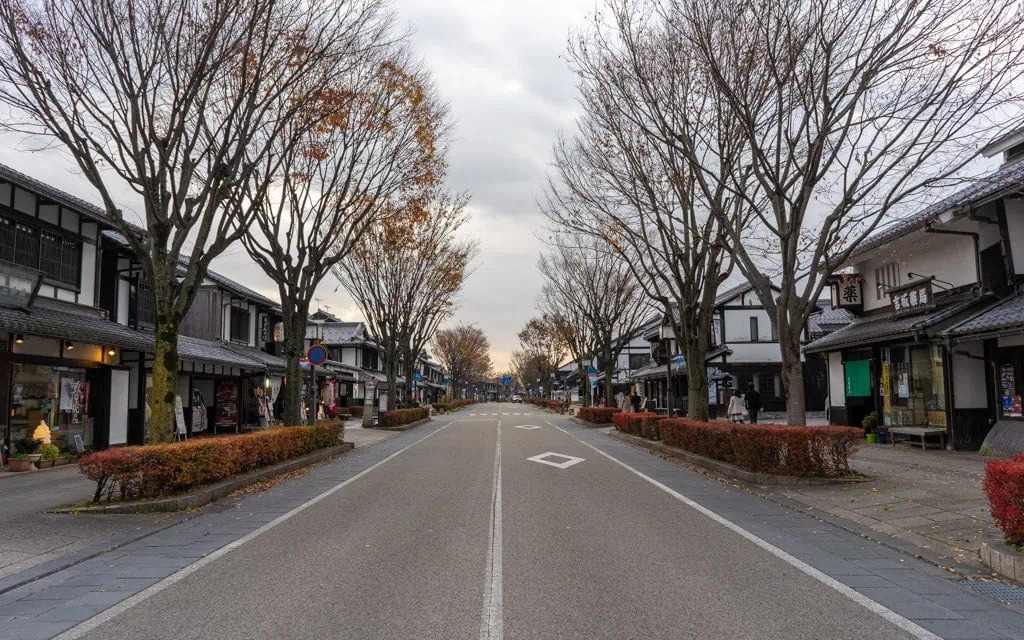
Located just to the south of Hikone Castle is Yume-Kyobashi Castle Road. This road recreates what it would be like to live during the Edo Period.
Restaurants, food vendors, souvenir shops, and teahouses can be found lining the road. Many of these traditional wooden townhouses (machiya) feature Edo Period designs. These designs include distinctive white walls with black latticework and gabled roofs.
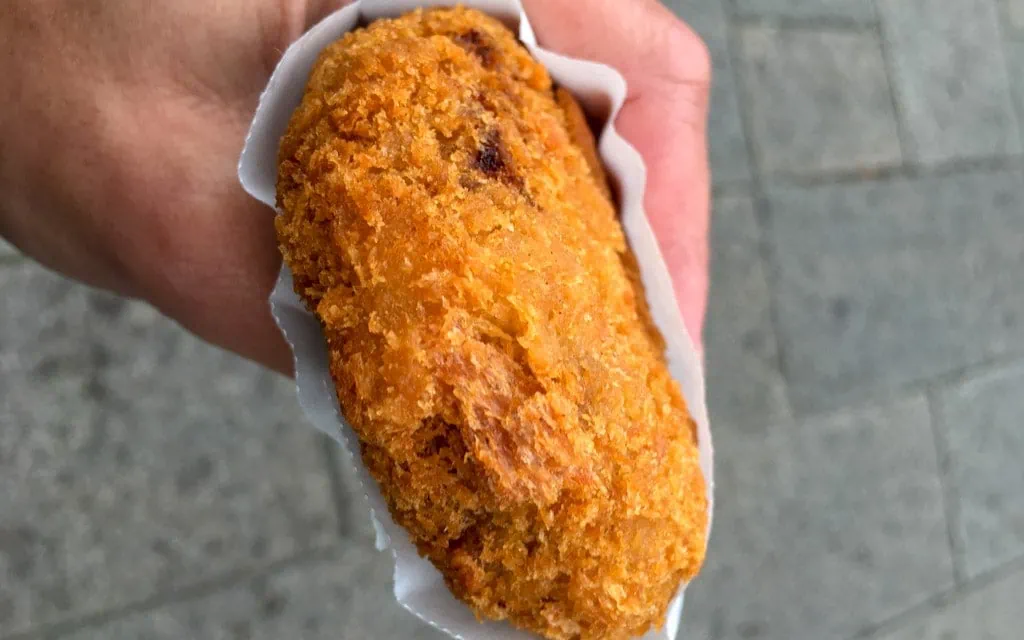
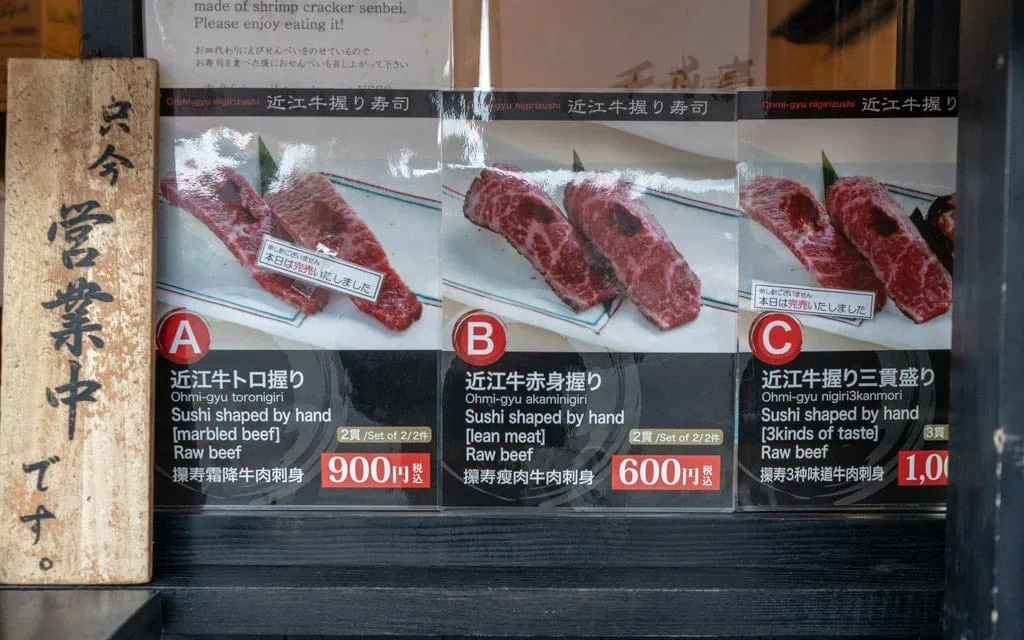
Locally made candles and sake, Omi tea, Japanese candy and sweets, and bog-wood are popular souvenirs found on Yume-Kyobashi Castle Road. If you are looking for food, look out for the vendors selling croquettes and tartare, both using locally raised beef.
Hikone is famous for Omi Beef, one of Japan’s top three wagyu brands (alongside Kobe and Matsusaka). The oldest beef butcher in the area is Sennaritei, which operates the highly recommended Sennaritei Kyara on Castle Road. Their Omi beef sukiyaki is delicious, and lunch sets start around ¥3,000, which is great value for the quality. Be sure to arrive before 12:00 PM to avoid long lines.
What not to miss: beef croquettes, souvenir shops, Omi tea, Omi beef lunch.
Hours
While the street is open 24 hours a day, store hours will vary (typically 10:00 AM to 5:00 PM).
Entrance Fees
Free
How to get to Yume-Kyobashi Castle Road from Hikone Station
Yume-Kyobashi Castle Road is located to the southwest of Hikone Castle about 20 minutes by foot from the station. From the station, take the west exit. Continue down Ekimae Oshiro Street for 600 meters. At the T-intersection, make a left. Continue for another 700 meters following the castle moat to the start of Yume-Kyobashi Castle Road.
Shiga Gokoku Shrine (Gokoku-jinja Shrine)
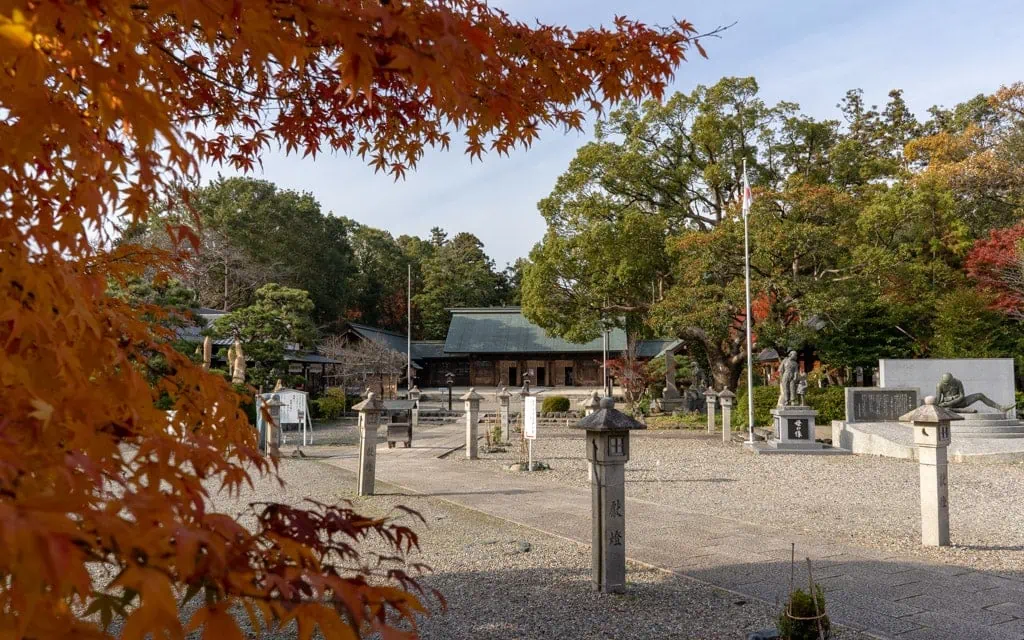
Located not far from the castle is Shiga Gokoku Shrine (Gokoku-jinja Shrine). Enshrined here are the spirits of those killed in action during wars in the past centuries.
These wars include the Boshin War or Japanese Revolution (1868-1869), Satsuma Rebellion (1877), First Sino-Japanese War (1894-1895), Russo-Japanese War (1904-1905), and the Pacific War or World War II (1941-1945).
Today, many of those who visit Shiga Gokoku Shrine come to pray for world peace.
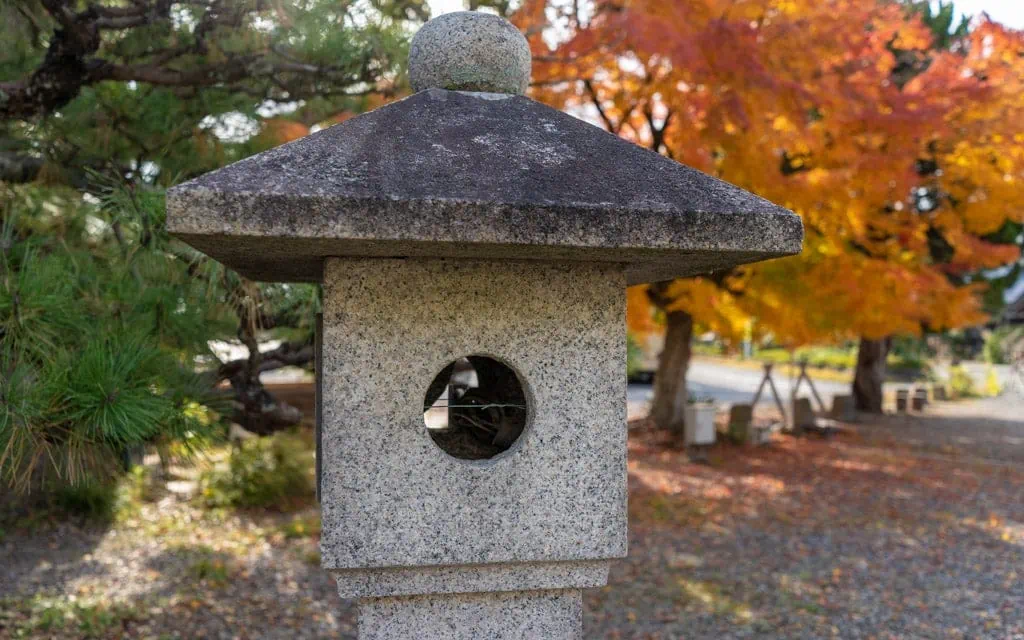
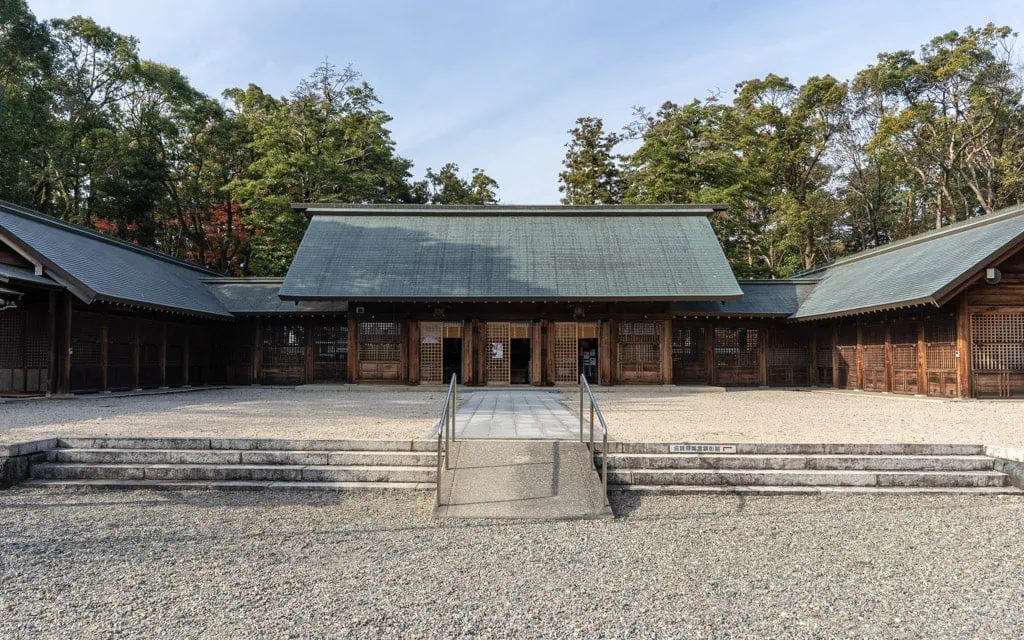
What not to miss: main gate, main hall, stone lanterns.
Hours
24 hours
Entrance Fees
Free
How to get to Shiga Gokoku Shrine from Hikone Station
From the station, take the west exit. Continue down Ekimae Oshiro Street for 600 meters to reach the entrance to Shiga Gokoku Shrine.
Ii Naomasa Statue
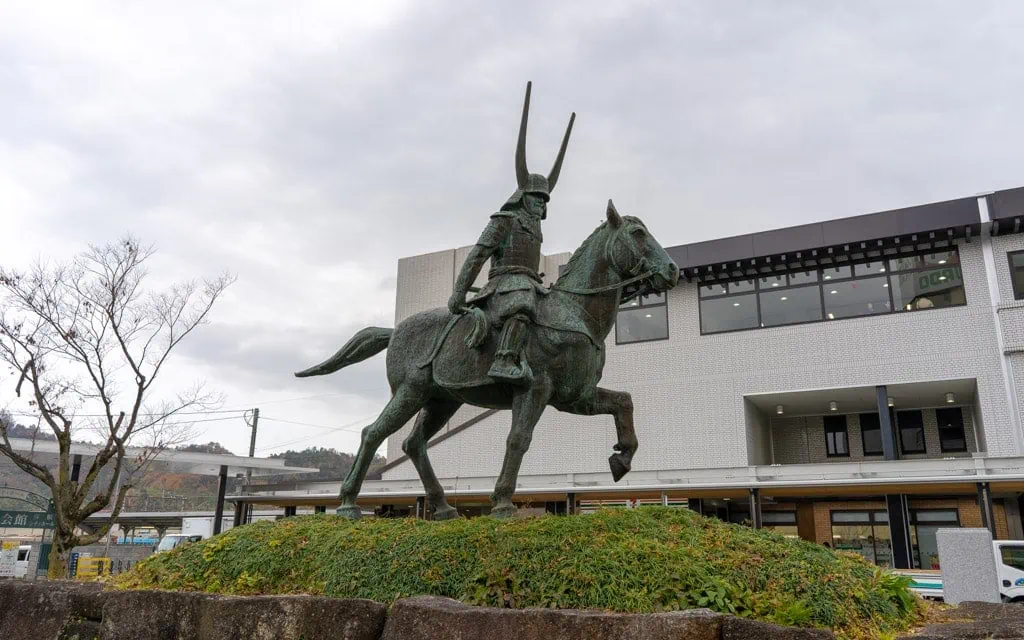
Located outside the west exit of Hikone Station is a bronze statue of Ii Naomasa.
Ii Naomasa, one of the Four Heavenly Kings of the Tokugawa, was an important general during the feudal age of Japan. Only highly effective samurai generals received this title.
For his honorable performance during battle, Naomasa was awarded Sawayama Castle, once located northeast of Hikone Station. Naomasa wished to build a new castle in Hikone but died before construction began. His son and successor, Ii Naokatsu, completed construction of Hikone Castle about 20 years after his fathers death.
Hours
24 hours
Entrance Fees
Free
How to get Ii Naomasa Statue from Hikone Station
Ii Naomasa Statue is located in front of the west exit of Hikone Station.
Last Updated on February 7, 2026